Cars Cdp 2 11 3 Crack Derby
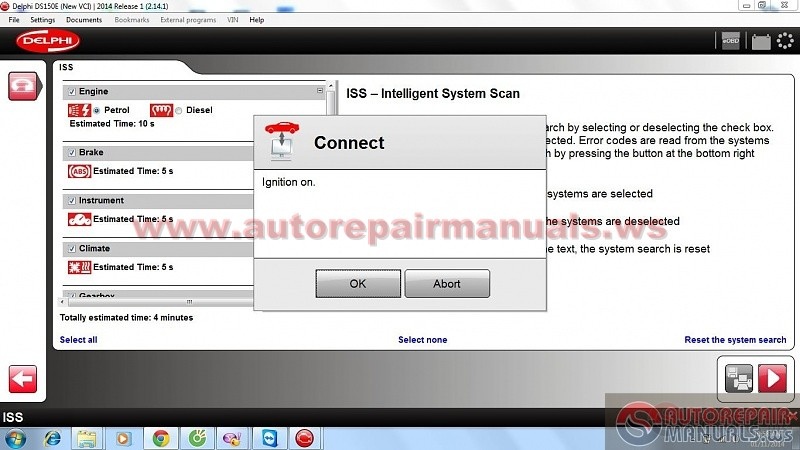
How to activate 2012 Release 3 autocom CDP Notice: My patch remove blacklisted serials number, you can use before any one. You can use internet connection all the time, not need block the internet. But: the period of save xml on a folder(via the USB), you have to disconnect the internet with your. Autocom CDP for.MidwayUSA is a privately held American retailer of various hunting and outdoor-related products.autocom cdp pro 2011 release 3. TorrentsMafia autocom cdp pro 2011 release 3;. Autocom Cdp Pro 2011 Release 3 download included crack, serial, keygen,.Autocom CDP Pro CARS 2011. 3 mr bean movie vidoes. Activation keygen of 2015.R3 Delphi DS150E / Autocom CDP+ software, free get 2015 R3 Keygen for Delphi/MultiDiag Pro/CDP software, 2015 R3 License Key Keygen for Delphi DS150E / autocom CDP+. 2015 R3 license key generator for Delphi/MultiDiag Pro/CDP Activation universal programmer.
Madisonian(Central). Summer (CDT)55-48000Website1 Urban = 2010 CensusMadison is the of the of and the of. As of July 1, 2018, Madison's estimated population of 258,054 made it the second-largest city in Wisconsin by population, after, and the in the United States. The city forms the core of the which includes Dane County and neighboring, and counties for a population of 654,230.Located on an isthmus between and, the city is home to the, the, lakes, and an extensive network of parks and bike trails. Madison has historically been a center for political activity, protests, and demonstrations. The presence of the University of Wisconsin–Madison (the largest employer in the state) as well as other educational institutions has on the, and of Madison.Madison is a growing technology economy and the region is home to the headquarters of, a regional office for, the University Research Park, as well as many biotech and health systems startups. A 2018 report ranked Madison 14th among the top fifteen cities worldwide for venture capital deals per capita.Madison is home to, including. View of downtown and Capitol from Washington Street, 1865 Pre-colonization Before Europeans, humans inhabited the area in and around Madison for about 12,000 years.
In 1800, the Madison area was Ho-Chunk (Winnebago) Country. The Native Americans called this place Taychopera (Ta-ko-per-ah), meaning 'land of the four lakes' (Mendota, Monona, Waubesa, and Kegonsa)., which had been constructed for ceremonial and burial purposes over 1,000 years earlier, dotted the rich prairies around the lakes. Creation Madison's European origins begin in 1829, when former federal judge purchased over a thousand acres (4 km²) of swamp and forest land on the isthmus between Lakes Mendota and Monona, with the intention of building a city in the Four Lakes region.
He purchased 1,261 acres for $1,500. When the was created in 1836 the territorial legislature convened in. One of the legislature's tasks was to select a permanent location for the territory's capital. Doty lobbied aggressively for Madison as the new capital, offering robes to the freezing legislators and promising choice Madison lots at discount prices to undecided voters. He had James Slaughter two cities in the area, Madison and 'The City of Four Lakes', near present-day.Doty named his city Madison for, the fourth President of the U.S. Who had died on June 28, 1836, and he named the streets for the other of the.
Although the city existed only on paper, the territorial legislature voted on November 28, 1836 in favor of Madison as its capital, largely because of its location halfway between the new and growing cities around in the east and the long established strategic post of in the west, and between the highly populated mining regions in the southwest and Wisconsin's oldest city, in the northeast. Expansion. Map of Madison in 1920The cornerstone for the Wisconsin capitol was laid in 1837, and the legislature first met there in 1838. On October 9, 1839, registered the of Madison at the registrar's office of the then-territorial.
Madison was incorporated as a village in 1846, with a population of 626. When Wisconsin became a state in 1848, Madison remained the capital, and the following year it became the site of the University of Wisconsin (now ). The (a predecessor of the ) connected to Madison in 1854. Madison incorporated as a city in 1856, with a population of 6,863, leaving the unincorporated remainder as a separate. The original capitol was replaced in 1863 and the second capitol burned in 1904.
The current capitol was built between 1906 and 1917.During the, Madison served as a center of the in Wisconsin. The intersection of Milwaukee, East Washington, Winnebago, and North Streets is known as Union Corners, because a tavern there was the last stop for Union soldiers before heading to fight the Confederates., on the west side of Madison, was built and used as a training camp, a military hospital, and a prison camp for captured soldiers. After the war ended, the Camp Randall site was absorbed into the University of Wisconsin and was built there in 1917. In 2004 the last vestige of active military training on the site was removed when the stadium renovation replaced a firing range used for training.1960s and 1970s. Founded in 1971, is one of the formed in Madison in the early 1970s in already existing buildings.In the 1960s and 1970s, the Madison was centered in the neighborhood of Mifflin and Bassett streets, referred to as 'Miffland'. The area contained many three-story apartments where students and counterculture youth lived, painted murals, and operated the co-operative grocery store, the Mifflin Street Co-op.
Residents of the neighborhood often came into conflict with authorities, particularly during the administration of Republican mayor. Dyke was viewed by students as a direct antagonist in efforts to protest the because of his efforts to suppress local protests. The annual became a focal point for protest, although by the late 1970s it had become a mainstream community party.During the late 1960s and early 1970s, thousands of students and other citizens took part in, with more violent incidents drawing national attention to the city and UW campus. These include:. the 1967 student protest of, with 74 injured;.
the 1969 strike to secure greater representation and rights for African-American students and faculty, which resulted in the involvement of the Wisconsin;. the 1970 fire that caused damage to the Army headquarters housed in the, also known as the Red Gym; and. the 1970 late-summer predawn bombing of the Army Mathematics Research Center in Sterling Hall, killing a postdoctoral researcher, Robert Fassnacht. (See )These protests were the subject of the documentary. 's book, incorporated the 1967 Dow protests into a larger narrative. Tom Bates wrote the book Rads on the subject ( ).
Bates wrote that Dyke's attempt to suppress the annual 'would take three days, require hundreds of officers on overtime pay, and engulf the student community from the nearby Southeast Dorms to fraternity row. Hung like heavy fog across the Isthmus.' In the fracas, student activist, then a city, was arrested twice and taken to.
Soglin was later elected mayor of Madison, serving several times.21st century In early 2011, Madison was the site for against a bill proposed by Governor that abolished almost all for public worker unions. The protests at the capitol ranged in size from 10,000 to over 100,000 people and lasted for several months. Geography.
View of fromMadison is located in the center of Dane County in south-central Wisconsin, 77 miles (124 km) west of and 122 miles (196 km) northwest of. The city completely surrounds the smaller, the city of, and the of. Madison shares borders with its largest suburb, and three other suburbs,. Other suburbs include the city of and the villages of, and as well as, and.According to the, the city has a total area of 94.03 square miles (243.54 km 2), of which 76.79 square miles (198.89 km 2) is land and 17.24 square miles (44.65 km 2) is water.The city is sometimes described as The City of Four Lakes, comprising the four successive lakes of the: ('Fourth Lake'), ('Third Lake'), ('Second Lake') and ('First Lake'), although Waubesa and Kegonsa are not actually in Madison, but just south of it. A fifth smaller lake, is within the city as well; it is connected to the Yahara River chain by Wingra Creek. The Yahara flows into the, which flows into the. Downtown Madison is located on an between Lakes Mendota and Monona.
The city's trademark of 'Lake, City, Lake' reflects this geography.Neighborhoods Local identity varies throughout Madison, with over 120 officially recognized neighborhood associations, such as the east side Williamson-Marquette Neighborhood. Historically, the north, east, and south sides were while the west side was, and to a certain extent this remains true. Students dominate on the campus and to the east into downtown, while to its south and in on its west, faculty have been a major presence since those neighborhoods were originally developed. The turning point in Madison's development was the university's 1954 decision to develop its experimental farm on the western edge of town; since then, the city has grown substantially along suburban lines.Major commercial areas Hilldale The Hilldale area comprises the Hill Farms neighborhood, Sunset Village Neighborhood, and part of the suburb of. The area has long winding streets, and according to a planning document issued by the neighborhood association, a 'suburban-like feel'. The area is also a commercial district, and contains, an outdoor shopping center containing restaurants, a movie theater, and national retail chains.Capitol Square The Capitol Square Area is Madison's.
It is home to high rise apartments, restaurants, and shopping outlets. It contains several museums and is home to the building and the. The capitol square holds a number of public events for the city of Madison including the, Taste of Madison. The area's nightlife is served by several bars and live music venues. State Street , which links the University of Wisconsin campus with the Capitol Square, is lined with restaurants, espresso cafes, and shops. Only pedestrians, buses, emergency vehicles, delivery vehicles, and bikes are allowed on State Street.
State Street is home to much of the nightlife of the University of Wisconsin-Madison, as it is the location of a number of bars and performance venues ranging from comedy clubs to multiple large theaters, including the historic Orpheum Theater, that feature local ballets and Broadway touring casts. State street is also home to Freakfest, the annual Halloween party in Madison.Park Street The Park Street Area is located in the south of Madison, and contains multiple official neighborhoods, including the Burr Oaks Neighborhood Association and Greenbush.
It has been described as the 'racially and economically diverse area of Madison'. Park Street is home to ethnic restaurants and specialty grocery stores, as well as retail. Residential areas to the sides of park street tend to have smaller houses or condos, and a higher density of houses.Monroe Street The Dudgeon-Monroe neighborhood neighbors downtown Madison. It is located around Monroe street, a commercial area which has local shops, coffee houses, dining and galleries.
It is home to a neighborhood jazz fest and Wingra Park, where people can rent paddle boats and canoes at the boathouse on. Willy Street The Marquette neighborhood sits on the near east side of Madison. Willy (Williamson) Street contains locally owned shops, restaurants, and entertainment establishments, as well as art galleries, and the. The houses in the Marquette neighborhood fall into two separate historic districts, Third Lake Ridge Historic District and Marquette Bungalow Historic District. The area is also the locations of festivals like the Waterfront Festival (June), (July), Orton Park Festival (August), and Willy Street Fair (September). The Willy Street neighborhood is a hub for Madison's bohemian culture. Houses lining the street are often painted colorfully, and the area has several murals.
Architecture. Wisconsin State Capitolreflect a wide range of styles, from the densest cluster of in the United States to the, the and the, designed.
Madison is home to designed by influential Wisconsin-born, more than any other city outside of the. Wright was based at in nearby for most of his career, and his designs in Madison include, the city's, as well as Wright's first house, the, a.The height of Madison's skyline is limited by a state law that restricts building heights in the downtown area. All buildings within one mile (1.6 km) of the have to be less than 1,032.8 feet (314.8 m) above sea level to preserve the view of the building in most areas of the city. The dome was modeled after the dome of the, and was erected on the high point of the isthmus.
Capitol Square is located in Madison's urban core.The architect spent much of his childhood in Madison and studied briefly at the university. Wright designed 32 buildings for the Madison area, of which 12 were constructed. Nine of the twelve buildings still stand today. Buildings in Madison designed by Wright include House, and the., now a convention and community center overlooking Lake Monona, was created by Anthony Puttnam—a student of Wright's—based on a 1957 Wright design. The in the University Heights neighborhood was designed collaboratively by and in 1908–10, and now serves as the Sigma Phi Fraternity. Bradley HouseThe, opened 2004, and the adjacent Madison Museum of Contemporary Art, opened 2006, on State Street near the capitol were designed by architect. Within the Overture Center are Overture Hall, Capitol Theater, and The Playhouse.
Its style, with simple expanses of glass framed by stone, was designed to complement nearby historic building facades. The architectural firm designed over 175 Madison buildings, and many are still standing, including, Doty School (now condominiums), and many private residences.Architecture on the University of Wisconsin campus includes many buildings designed or supervised by the firm, such as the Dairy Barn and Agricultural Hall, or by architect, such as the Memorial Union and Carillon Tower. Several campus buildings erected in the 1960s followed the style. In 2005 the university embarked on a major redevelopment at the east end of its campus. The plan called for the razing of nearly a dozen 1950s to 1970s vintage buildings; the construction of new dormitories, administration, and classroom buildings; as well as the development of a new pedestrian mall extending to Lake Mendota.
The campus now includes 12- to 14-story buildings. Points of interest. Baraboo MicroSAMadison is the larger principal city of the, a that includes the Madison metropolitan area (Columbia, Dane, Green and Iowa counties), the Janesville-Beloit metropolitan area , and the micropolitan area. As of July 1, 2016, the Madison MSA had an estimated population of 648,929 and the Madison CSA had an estimated population of 874,498. Religion Madison is the for the., damaged by arson in 2005 and demolished in 2008, was the mother church of the diocese. Sailboats approaching the south shore of and downtown Madison – north side of isthmusMadison was ranked as America's Fittest City in April 2016. During the winter months, sports enthusiasts enjoy ice-boating,.
During the rest of the year, outdoor recreation includes sailing on the local lakes, bicycling, and hiking.Madison is known for its extensive biking infrastructure, with numerous bike paths and bike lanes throughout the city. Several of these bike paths connect to state trails, such as the,. In addition to these bike paths, most city streets have designated bike lanes or are designated as, which give high priority to bicyclists. In 2015 Madison was awarded platinum level Bicycle Friendly Community designation from the League of American Bicyclists, one of only five cities in the US to receive this (highest) level. Nightlife Downtown Madison is central to much of the nightlife in the city. Students from the University of Wisconsin-Madison visit spots on State Street and the surrounding area on weekends. Bars in the Capital Square neighborhood are less frequented by students and more by young professionals and work happy hours.
Another center of nightlife is the bohemian Willy Street Neighborhood.Madison is also home to a number of nightclubs, gay bars and live music venues.Among the city's neighborhood fairs and celebrations are two large student-driven gatherings, the and the. Rioting and vandalism at the State Street gathering in 2004 and 2005 led the city to institute a cover charge for the 2006 celebration. In an attempt to give the event more structure and to eliminate vandalism, the city and student organizations worked together to schedule performances by bands, and to organize activities. The event has been named 'Freakfest on State Street.' Events such as these have helped contribute to the city's nickname of 'Madtown.' Music Madison's music scene covers a spectrum of musical culture.Several venues offer live music nightly, spreading from the historic Barrymore Theatre and High Noon Saloon on the east side to small coffee houses and wine bars.
The biggest headliners sometimes perform at the Orpheum Theatre, the, the, or the UW Theatre on campus. Other major rock and pop venues include the Majestic Theatre, the Sylvee, and The Bartell. During the summer, the Memorial Union Terrace on the University of Wisconsin campus, offers live music five nights a week. The Union is located on the shores of Lake Mendota.is a weekly Madison tradition during the summer.
On Wednesday evenings, the performs free concerts on the capitol's lawn, and people come to listen to the music while picnicking on the grass.The has provided youth aged 16–22 opportunities to perform across North America every summer since 1938. The is a local. Madison has a lively independent rock scene, and local include, Science of Sound, Kind Turkey Records, and Art Paul Schlosser Inc. Demento and weekly live favorite is, who have a Madison Mayoral Proclamation named after them. They have performed with fellow residents and.Madison is also home to other nationally known artists such as of, of and fame, and musicians, and, among others. The band formed in Madison in 1994, and has sold 17 million albums.In the summer Madison hosts many, including the Waterfront Festival, the Willy St.
Fair, Atwood Summerfest, the Isthmus Jazz Festival, the Orton Park Festival, 94.1 WJJO's Band Camp, Greekfest, the WORT Block Party and the Sugar Maple Traditional Music Festival, and the Madison World Music Festival sponsored by the Wisconsin Union Theater (held at the Memorial Union Terrace and at the Willy St. Fair in September). Past festivals include the Madison Pop Festival and Forward Music Festival (2009–2010.) One of the latest additions is the, taking place around at various east side locations. This new festival celebrates French music, with a focus on Cajun influences. Madison also hosts an annual festival, and the Folk Ball, a and festival held annually in January. Madison is home to the QA festival, Fruit Fest, celebrating queer culture and allies.
Madison also plays host to the National Women's Music Festival. UW-Madison also hosts the annual music and arts festival, Revelry, on campus at the Memorial Union each spring. The festival is put on by students for students as an end of the year celebration on campus. See also:Art museums include the 's (formerly the Elvehjem Museum), and the, which annually organizes the Art Fair on the Square. Madison also has independent art studios, galleries, and arts organizations, with events such as. Other museums include (run by the ), the, the. Performing arts The, the, Forward Theater Company, the, and the are some of the professional resident companies of the for the Arts.
The city is also home to a number of smaller performing arts organizations, including a group of theater companies that present in the Bartell Theatre, a former movie palace renovated into live theater spaces, and, an opera company that performs for elementary school students across the Midwest. The Wisconsin Union Theater (a 1,300-seat theater) is home to seasonal attractions and is the main stage for Four Seasons Theatre, a company specializing in, and other groups. The Young Shakespeare Players, a theater group for young people, performs uncut and plays.Community-based theater groups include Children's Theatre of Madison, Strollers Theatre, Madison Theatre Guild, the Mercury Players, and (which is no longer on Broom Street).Madison has one, the Comedy Club on State (which has hosted the Madison's Funniest Comic competition every year since 2010), owned by the Paras family. Madison has other options for more alternative humor, featuring several improv groups, such as Atlas Improv Company, Monkey Business Institute, and nights.Madison is home to a large entertainment industry archive at the, part of the. Politics. Atop Madison'sCity voters have supported the in national elections in the last half-century, and a liberal and progressive majority is generally elected to the city council. Detractors often refer to Madison as '77 square miles surrounded by reality' a phrase coined by former Wisconsin Republican governor, while campaigning in 1978.
In 2013, there was a motion in the city council to turn Dreyfus' insult into the official city 'punchline,' but it was voted down by the city council.The city's voters are generally much more liberal than voters in the rest of Wisconsin. For example, 76% of Madison voters voted against a 2006 state, even though the ban passed statewide with 59% of the vote.In 1992, a local third party, was founded. City policies supported in the Progressive Dane platform have included an ordinance, later abandoned by the mayor and a majority of the city council, and a city minimum wage.
The party holds several seats on the Madison City Council and Dane County Board of Supervisors, and is aligned variously with the Democratic and Green parties.Other cultural events In 2005, Madison was included in Gregory A. Kompes' book, 50 Fabulous Gay-Friendly Places to Live. The Madison metro area has a higher percentage of gay couples than any other city in the area outside of Chicago and Minneapolis. The skyline of Madison, with jet fighters in the foregroundMadison was host to, a large fireworks celebration coordinated to music. It began with a fly-over by from the local.
This celebration was the largest fireworks display in the Midwest in length, number of shells fired, and the size of its annual budget. Effective 2015, the event location was changed to downtown and renamed Shake The Lake.There are several cooperative organizations in the Madison area, ranging from grocery stores (such as the ) to housing co-ops (such as and ) to worker cooperatives (including an engineering firm, a wholesale organic bakery and a cab company).Every April, the Wisconsin Film Festival is held in Madison. This five-day event features films from a variety of genres shown in theaters across the city. The University of Wisconsin–Madison Arts Institute sponsors the Film Festival.Madison is known for its unique official bird. In 2009, the Madison Common Council voted to name the plastic pink flamingo as the official city bird. Nicknames Over the years, Madison has acquired nicknames and slogans that include:. Mad City.
Madtown. The of the Midwest.
Cars Cdp 2 11 3 Crack Derby Tagbilaran Bohol
77 square miles surrounded by reality. Four Lakes City. People's Republic of MadisonSports.
Men's ice hockey game in the Kohl CenterMadison is known for having the athletics fanbase which centers around the University of Wisconsin-Madison. In 2003, identified the city as one of the 'best college sports towns' in the nation. In 2019, named Madison the greatest college football town in the nation.
Also proclaimed Madison the best college sports town in America. Due to the popularity of. On game day, the city can look like a wave of red and white, and the downtown area is packed full of tailgates and celebrations.The teams play their home-field sporting events in venues in and around Madison. The team plays at where crowds of as many as 83,000 have attended games.
The and teams play at the. Construction on the $76 million arena was completed in 1997.
The current national champions for Women's hockey, the team plays at the LaBahn Arena. Some events are played at the county-owned (formerly Dane County Memorial Coliseum) and the University-owned.On May 17, 2018, it was announced that would become Madison's first professional soccer team. The team will play at, beginning in 2019. Madison is home to the, a college wood-bat summer league team in the. They play in on the city's north side from June to August.Current teams ClubLeagueSportVenueFoundedTitles, Div.123 Varsity Teams,184927, Div.38 varsity teams,191221, Div.316 varsity teams0Wisconsin Rugby Club Sports Complex19622Wisconsin Rugby Club Sports Complex19751,Wisconsin Rugby Club Sports Complex20060Former teams The, a Class A, affiliate of the, left town in 1993 after 11 seasons. The, another Class A, Midwest League team, played in Madison for only the 1994 season. The, an independent franchise lasted five seasons (1996–2000), before decamping for.Amateur sports Madison has an active amateur sports scene, with, endurance sports, and soccer being common pastimes.
Madison has several active disc leagues organized through the nonprofit Madison Ultimate Frisbee Association. In 2013, the Madison Radicals, a professional ultimate frisbee team, debuted in the city.Madison is home to several endurance sports racing events, such as the, The, Paddle and Portage, the, and Wisconsin, which attracts over 45,000 spectators.Other Amateur Sports leagues in Madison include:The Wisconsin Rugby Club, the 1998 and 2013 USA Rugby Division II National Champions, and the, the state's only Division I women's rugby team. All madison rugby teams play within the Wisconsin Rugby Football Union, -the Midwest Rugby Union and USA Rugby.The Madison Curling Club, which was founded in 1921. Team Spatola of the Madison Curling Club won the 2014 Women's US National Championship. Team members are: Nina Spatola, Becca Hamilton, Tara Peterson, Sophie Brorson.Madison's Gaelic sports club, which offers a team organized as, and a Gaelic football club, with men's and women's teams.The roller derby league, which was formed in Madison in 2004 and is a member of the.The adult women's ice hockey teams (Thunder, Lightning, Freeze, UW–B and C teams), which play in the Women's Central Hockey League.The Blackhawk Ski Club, formed in 1947, provides ski jumping, cross country skiing and alpine skiing. The club's programs have produced several Olympic ski jumpers, two Olympic ski jumping coaches and one Olympic ski jumping director.
The club had the first Nordic ski facility with lighted night jumping. As of 2017, the Reebok will be held at the. After seven years at the in, the Games will move to a new location for at least the next three years. Chose the multi-building entertainment venue, which encompasses 164 acres, after posting a national request for proposals. The Dane County campus will be home to the Reebok CrossFit Games in 2017, 2018 and 2019. Parks Madison has 6,431 acres of park space, which is 13.5% of the total city area.
The city has 12.7 parks per 10,000 residents, more than any other city. Parks in the city include, which has views of Lake Mendota, which is listed on the, Garner park, where the hold an 'Opera in the Park' event, and, which is home to the stadium for the baseball team the Madison Mallards.Government Madison has a mayor-council system of government. Madison's, known as the, consists of 20 members, one from each district. The mayor is elected in a citywide vote.Madison is the heart of in the, represented by (D).
(D) and (D) represent Madison in the, and (D), (D), (D), (D), and (D) represent Madison in the.(R) and (D) represent Madison, and all of Wisconsin, in the. Baldwin is a Madison resident; she represented the 2nd from 1999 to 2013 before handing it to Pocan.Madison Police Department. K9 Unit. Crime Scene Unit. Forensic Unit. Narcotics and Gangs Task Force.
Parking Enforcement. Traffic Enforcement Safety Team. S.W.A.T Team. Special Events Team. C.O.P.S (Safety Education).
Mounted Patrol. Crime Stoppers. Amigos en AzulThe Madison Police Department was criticized for absolving Officer Steve Heimsness of any wrongdoing in the November 2012 shooting death of an unarmed man, Paul Heenan. The department's actions resulted in community protests, including demands that the shooting be examined and reviewed by an independent investigative body. WisconsinWatch.org called into question the MPD's facts and findings, stating that the use of deadly force by Heimsness was unwarranted. There were calls for an examination of the Madison Police Department's rules of engagement and due process for officers who use lethal force in the line of duty.Community criticism of the department's practices resurfaced after MPD officer Matt Kenny, an unarmed man.
The shooting was particularly controversial given the context of the ongoing movement. Due to new Wisconsin state legislation that addresses the mechanisms under which officer-on-civilian violence is handled by state prosecutors, proceedings were handed over to a special unit of the in Madison. On March 27, 2015, the state concluded its investigation and gave its findings to Ismael Ozanne, the of Dane County. On May 12, 2015, Ozanne determined that the shooting was justified self-defense. Madison Fire Department The Madison Fire Department (MFD) provides fire protection and to the city. The MFD operates out of 14 fire stations, with a fleet of 12 engines, 5 ladders, 2 rescue squads, 2 hazmat units, a lake rescue team, and 8 ambulances. The MFD also provides mutual aid to surrounding communities.
Crime YearHomicidesRobberyBurglary208In 2008, Men's Health magazine ranked Madison as the 'Least Armed and Dangerous' city in the United States in an article about 'Where Men Are Targets'. There were 53 homicides reported by Madison Police from 2000 to 2009. The highest total was 10 in 2008. Police reported 28 murders from 2010 to 2015, with the highest year being 7 murders in 2011. Education.
According to magazine, Madison ranks second in the nation in education. The serves the city while a variety of other districts serve the surrounding area. With an enrollment of approximately 25,000 students in 46 schools, it is the second largest school district in Wisconsin behind the.
The five public high schools are, and, an alternative school.Among private church-related high schools are, near the campus, and, a Catholic school offering grades 6 through 12. Is a private high school with no religious affiliation.The city is home to the, and, giving the city a post-secondary student population of nearly 55,000. The University of Wisconsin accounts for the vast majority of students, with an enrollment of roughly 44,000, of whom 31,750 are undergraduates.
In a Forbes magazine city ranking from 2003, Madison had the highest number of Ph.D.s per capita, and third-highest college graduates per capita, among cities in the United States.Additional degree programs are available through satellite campuses of, the,. Madison also has a non-credit learning community with multiple programs and many private businesses also offering classes.Media Print.
Further information: andMadison is home to an extensive and varied number of print publications, reflecting the city's role as the state capital and its diverse political, cultural and academic population. The (weekday circulation: 95,000; Sundays: 155,000) is published in the mornings, while its sister publication, (Thursday supplement to the Journal) is published online daily, with two printed editions a week. Though jointly operated under the name, the Journal is owned by the national chain, and the Times is independently owned. Wisconsin State Journal is the descendant of the Wisconsin Express, a paper founded in the Wisconsin Territory in 1839. The Capital Times was founded in 1917 by William T. Evjue, a business manager for the State Journal who disagreed with that paper's editorial criticisms of Wisconsin Republican Senator for his opposition to U.S.
Entry into.The free weekly alternative newspaper (weekly circulation: 65,000) was founded in Madison in 1976., a satirical weekly, was founded in Madison in 1988 and published from there until it moved to New York in 2001. Two student newspapers are published during the academic year, (Mon-Fri circulation: 10,000) and (Mon-Fri circulation: 16,000). Other specialty print publications focus on local music, politics and sports, including The Capital City Hues, The Madison Times, Madison Magazine, The Simpson Street Free Press, Umoja Magazine, and fantasy-sports web site. Local community blogs include and dane101.Madison is associated with and the. La Follette's magazine, founded in 1909, is still published in Madison.
It is a left-wing periodical that may be best known for the attempt of the U.S. Government in 1979 to suppress one of its articles before publication. The magazine eventually prevailed in the landmark First Amendment case, During the 1970s, there were two radical weeklies published in Madison, known as TakeOver and Free for All, as well as a Madison edition of the.Radio. Further information:Madison has three large media companies that own the majority of the commercial radio stations within the market. These companies consist of, Communications, and as well as other smaller broadcasters.
Madison is home to Mid-West Family Broadcasting, which is an independently-owned broadcasting company that originated and is headquartered in Madison. Mid-West Family owns radio stations throughout the state and the.Madison hosts two volunteer-operated and community-oriented radio stations,. WORT Community Radio (89.9 FM), founded in 1975, is one of the oldest volunteer-powered radio stations in the United States. A listener-sponsored community radio station, WORT offers locally produced diverse music and talk programming. WSUM (91.7 FM) is a free-form station programmed and operated almost entirely by students.Madison's station, was one of the first radio stations in the nation to begin broadcasting. Public radio programs that originate at the WPR studios include, Zorba Pastor On Your Health, Calling All Pets, and the longest running radio program in America,.is the station on Madison's west side, with broadcasts originating from the in.TV.
Further information:Madison has six commercial stations, two public television stations and two religious stations. The commercial stations consist of 'News 3 Now' , 'NBC 15' , '27 News' , 'FOX 47' , 'Wisconsin's 57'. The religious stations consist of (Daystar) and , Madison has two public television stations:, which is owned by the, airs throughout the state, with the exception of, and Madison City Channel, which is owned and operated by the City of Madison covering city governmental affairs.Transportation Madison is served by the, which serves nearly 1.6 million passengers annually. Most major operations take place at in 15 miles (24 km) from Madison's city center. Operates bus routes throughout the city and to some neighboring suburbs. Madison has four taxicab companies (Union, Badger, Madison, and Green), and several companies provide specialized transit for individuals with disabilities.
Several services are also available in Madison, including Community Car, a locally owned company, and subsidiary.Starting from the last decades of the 20th century, Madison has been among the leading cities for bicycling as a form of transportation, with about 3% of working residents pedaling on their journey to work. The share of Madison workers who bicycled to work increased to 5.3% by 2014. According to the 2016, 65.7% of working Madison residents commuted by driving alone, 6.7% carpooled, 8.6% used public transportation, and 8.5% walked. About 6% used all other forms of transportation, including bicycles, motorcycles, and taxis.
About 4.5% worked at home.In 2015, 11.2% of Madison households were without a car, which was unchanged in 2016. The national average was 8.7% in 2016. Madison averaged 1.5 cars per household in 2016, compared to a national average of 1.8 per household.
Railways Passenger train service between Madison and, on the and the, provided by the, ended in 1971 with absorbing passenger train services. Prior to 1960, the 's Sioux train offered service west to. The train continued to a cut-back Chicago-Madison run until its April 30, 1971 termination. Until the 1960s the operated passenger trains through the city. A route from Chicago through Milwaukee and Madison to, was proposed as part of the. Funding for the railway connecting Madison to Milwaukee was approved in January 2010, but Governor-elect Scott Walker's opposition to the project led the to retract the $810 million in funding and reallocate it to other projects. The nearest passenger train station is in, 28 miles (45 km) away to the northeast.
There, the eastbound provides daily service to Milwaukee and Chicago, and the westbound Empire Builder provides daily service to, and,. Number 4025 painted for the railroad's 25th anniversary, seen in Madison July 23, 2005Railroad freight services are provided to Madison by (WSOR) and (CP). Wisconsin & Southern has been operating since 1980, having taken over trackage owned since the 19th century by the and the.Buses In addition to public transportation, regional buses connect Madison to, and many other communities., which connects Madison and Milwaukee, runs several trips daily., a nationwide bus company, serves Madison on its Chicago, Milwaukee, and Minneapolis–Saint Paul route., a subsidiary of, provides transportation through to Chicago—stopping at,. Provides transportation to Minneapolis–Saint Paul via.

Provides limited-stop service to Chicago and Minneapolis–Saint Paul. Lamers Bus Lines has once daily trips from Madison to, and.Highways (I-39) and run along the far east side of the city, connecting to to the south and to, and heading north and northwest.(US 151) runs through downtown and serves as the main thoroughfare through the northeast (as Washington Avenue) and south-central parts (as Park Street) of the city, connecting Madison with to the southwest and to the northeast., frequently referred to by locals as the Beltline, is a six- to eight-lane serving the south and west sides of Madison and is the main link from the west suburb of to. Southeast of the area, US 12 connects to, and going northwest, it heads to Wisconsin Dells.Notable people. United States Census Bureau.
Retrieved March 28, 2019. ^. Retrieved November 18, 2012. ^. Retrieved July 12, 2019.
Retrieved June 21, 2018. UW Archives and Records Management. June 23, 2015. Retrieved January 26, 2019. Retrieved January 26, 2019. Meyerhofer, Kelly. Retrieved January 26, 2019.
Retrieved November 22, 2018. Retrieved July 17, 2019. Milwaukee Journal Sentinel. Retrieved January 26, 2019. Retrieved January 26, 2019. Retrieved January 26, 2019.
Petrovic, Pheobe. Wisconsin Public Radio. Wisconsin Public Radio. Retrieved March 26, 2019. ^. Retrieved July 17, 2019.
(PDF). Retrieved December 20, 2018. Wisconsin Historical Society. June 27, 2012.
Retrieved December 20, 2018. Mollenhoff, David V. (2003) Madison: University of Wisconsin Press. Page 26. Historic Madison, Inc.,.
Wisconsin Court System. Wisconsin Historical Society. Retrieved January 9, 2019. Reports of cases argued and determined in the Supreme Court of the State of Wisconsin.
Retrieved July 24, 2011., Madison: Wm. Park, 1877, pp. State of Wisconsin. Archived from on May 27, 2007. Retrieved May 24, 2007. Retrieved July 10, 2012. Davey, Monica; Greenhouse, Steven (February 17, 2011).
2-11 Warranty
The New York Times. Retrieved December 8, 2016. March 13, 2011. Retrieved December 14, 2018.
Archived from on July 2, 2012. Retrieved November 18, 2012. Times, Steven Elbow The Capital. Retrieved July 17, 2018.
Adams, Barry. Wisconsin State Journal. Retrieved March 26, 2019. City of Madison. City of Madison. Retrieved March 26, 2019.
Armitage, Lynn. Madison Magazine. Retrieved March 26, 2019.
Rath, Jay. Retrieved March 26, 2019. 'It's by far the most racially and economically diverse area of Madison,' says Lindsey Lee, owner of Cargo Coffee, 1309 S. City of Madison. City of Madison. Retrieved March 26, 2019. City of Madison.
City of Madison. Retrieved March 26, 2019. Adams, Barry.
Wisconsin State Journal. Retrieved March 26, 2019. Retrieved July 17, 2019. Retrieved July 17, 2019. (PDF).
April 12, 1990. Retrieved October 3, 2006. ' September 29, 2008, at the. Madison.com.
^. Retrieved March 9, 2018. National Oceanic and Atmospheric Administration. Retrieved March 9, 2018. National Oceanic and Atmospheric Administration. Retrieved March 10, 2014.
The Weather Channel. Archived from on January 11, 2012. Retrieved May 25, 2010. Archived from on April 26, 2015.
Retrieved August 22, 2014. U.S., May 26, 2007, at the, 2007-05-11. Accessed 2008-08-01.
U.S., June 29, 2007, at the, 2007-05-11. Accessed 2008-08-01. U.S., June 29, 2007, at the, 2007-05-11. Accessed 2008-08-01. United States Census Bureau. United States Census Bureau. Archived from on November 22, 2011.
Retrieved November 14, 2011. Madison.com. Walton, Christopher (January 9, 2012). Retrieved January 6, 2013. First Unitarian Meeting Society. VANDEN PLAS, JOE.
In Business Magazine. Retrieved April 12, 2019. city-data.com. Brennan, Morgan.
Retrieved February 28, 2018. Altman, Ian. Retrieved February 28, 2018. Carlyle, Erin.
Retrieved February 28, 2018. Avenue, Next. Retrieved February 28, 2018. Weiss, Tara (January 5, 2009). 10 Cities Where They're Hiring. Retrieved July 24, 2011. The University of Wisconsin-Madison.
Retrieved April 12, 2019. News and World Reports. Archived from on January 14, 2006.
Retrieved September 12, 2006. Retrieved November 14, 2011. Thomton, Mark. Retrieved April 12, 2019. Stillman, JEssica. Retrieved April 12, 2019.
Florida, Richard. The Atlantic.
The Atlantic. Retrieved April 12, 2019. Barrett, Jeff.
Retrieved April 12, 2019. Plas, Joe Vanden., WTN News, April 2008. Newman, Judy.
Wisconsin State Journal. Retrieved March 25, 2019. Retrieved March 25, 2019. Newman, Judy (April 22, 2006). The Wisconsin State Journal. Retrieved February 10, 2011. Guy Boulton.
Milwaukee Journal Sentinel, October 6, 2017. Archived from on November 15, 2011. Retrieved November 14, 2011. November 5, 1997. Archived from on November 23, 2011. Retrieved November 14, 2011. Knight Ridder/Tribune Business News.
June 13, 1996. Retrieved August 5, 2019. Adwar, Corey. Business Insider. Business Insider.
Retrieved March 25, 2019. Greenberg, Peter. Retrieved January 13, 2014. Rupersburg, Nicole. Retrieved March 25, 2019. Allman-Baldwin, Lysa.
Retrieved March 25, 2019. Broudy, Julia. The Badger Herald. The Badger Herald. Retrieved April 3, 2019.
Siciliano-Rosen, Laura. Retrieved April 3, 2019. Dane County Farmers' Market.
Archived from on December 12, 2016. Retrieved December 8, 2016. Market, Dane County Farmers’. Dane County Farmers’ Market. Retrieved December 21, 2018. Market, Dane County Farmers’. Dane County Farmers’ Market.
Retrieved December 21, 2018. Market, Dane County Farmers’. Dane County Farmers’ Market. Retrieved December 21, 2018. Conklin, Aaron R.
(February 21, 2013). Retrieved May 2, 2019. Great Taste of the Midwest. Retrieved October 24, 2018. November 5, 2011. Retrieved November 14, 2011. Staff, Fitbit.
Retrieved April 12, 2019. Archived from on August 18, 2011. Retrieved November 14, 2011.
David Wahlberg. Retrieved December 8, 2016.
Fisher, Lucas. Go beyond the brochure. Retrieved March 25, 2019. Davidoff, Judith.
Retrieved March 25, 2019. Archived from on October 7, 2008. Retrieved November 14, 2011. The Daily Cardinal. Archived from on January 27, 2016. Retrieved November 14, 2011.
Archived from on February 25, 2011. Retrieved November 14, 2011. Retrieved November 14, 2011. Retrieved November 14, 2011. Archived from on January 27, 2016. Retrieved February 6, 2016. Kind Turkey Records.
Archived from on November 21, 2016. Retrieved November 14, 2011. December 1, 1986. Archived from on February 4, 2010. Retrieved November 14, 2011. Retrieved November 14, 2011. November 23, 2008, at the.
Archived from on December 28, 2005. Retrieved November 14, 2011. September 30, 2007, at the. Retrieved December 8, 2016.
Archived from on March 8, 2008. Archived from on March 26, 2015. Retrieved November 14, 2011. Retrieved November 14, 2011. Retrieved November 14, 2011.
Directors Guild of America,. Retrieved December 3, 2012. Moe, Doug (2005). Surrounded by Reality. Madison, Wisconsin: Jones Books. Retrieved April 14, 2007.
Retrieved April 16, 2007. Greater Madison Convention and Visitors Bureau. March 7, 2008, at the.
December 12, 2005. Archived from on September 27, 2011.
Retrieved November 14, 2011. September 17, 2009, at the. 3000, Channel (April 2, 2015).
Retrieved September 23, 2015. Severson, Gordon. Archived from on March 4, 2016. Retrieved September 23, 2015. Retrieved October 28, 2015.
Retrieved October 28, 2015. September 2, 2009. Archived from on September 3, 2009. Retrieved September 2, 2009. Clark, Brian E. (October 19, 2008). Chicago Sun-Times.
Archived from on November 25, 2008. Retrieved January 25, 2010. The New York Times. December 5, 1993. Retrieved May 12, 2010.
January 14, 2010. Archived from on January 19, 2010. Retrieved November 14, 2011. Mosiman, Dean (July 12, 2013).
Retrieved February 22, 2017. Google.com. '. The Economist, June 5, 2012. Accessed November 5, 2016.
Archived from on February 12, 2004. Archived from on September 30, 2007.
October 23, 2008, at the. The Madison Ultimate Frisbee Association. Archived from on October 26, 2016. Rob Thomas.
Retrieved December 8, 2016. Archived from on July 27, 2014. Retrieved December 8, 2016. Retrieved February 28, 2019. Retrieved December 8, 2016. Trust for Public Land. Trust for Public Land.
adwar, Corey. Business Insider. Business Insider. Retrieved March 25, 2019. Madison Opera.
Retrieved March 25, 2019. Retrieved December 8, 2016. Retrieved December 8, 2016. Madison.com. WisconsinWatch.org. Wisconsin.gov.
Nico Savidge – Wisconsin State Journal. Madison.com. Berman, Mark (May 12, 2015). The Washington Post. Retrieved May 12, 2015.
Madison, Wisconsin: Fire Department. Retrieved December 18, 2016. Madison has thirteen (13) fire stations serving the city.
Madison, Wisconsin: Fire Department. Retrieved December 18, 2016. Madison, Wisconsin: Fire Department. Retrieved December 18, 2016. Madison, Wisconsin: Fire Department.
Retrieved December 18, 2016. Madison, Wisconsin: Fire Department. Each day, eight medics (or ambulances) are in service, each staffed by two paramedics. Madison, Wisconsin: Fire Department. Archived from on December 22, 2016.
Retrieved December 18, 2016. Madison, Wisconsin: Fire Department. Retrieved December 18, 2016. Madison, Wisconsin: Fire Department.
Retrieved December 18, 2016. ^ (PDF). Madison Police.
Retrieved December 18, 2016. ^ (PDF). Madison Police. Retrieved December 18, 2016. Page 17 lists violent crime totals for 2000 to 2009.
^ (PDF). Madison Police. Retrieved December 18, 2016.
^ (PDF). Madison Police.
Retrieved December 18, 2016. ^ (PDF). Madison Police. Retrieved December 18, 2016. Watkins, Denny. Men's Health.
No. June 2008. Retrieved December 18, 2016. (PDF). City of Madison. January 31, 2010. Archived from (PDF) on January 31, 2010., December 12, 2007., December 12, 2007. Retrieved November 14, 2011.
Archived from on October 21, 2011. Retrieved November 14, 2011. September 29, 2008, at the, Madison, Wis. Capital Times, October 13, 2006. August 5, 2009. Wisconsin Education Association Council. May 17, 2004.
Archived from on June 3, 2004. ^ Madison Public Library.
^ Jordan S. The Capital Times, July 20, 2015.
Retrieved December 8, 2016. Robyn Norton. Wisconsin State Journal, June 14, 2015. 'UMOJA Magazine celebrates 25 years'. Retrieved May 2, 2019.
Retrieved November 14, 2011. Douma, Frank and Fay Cleaveland (2008). Minnesota Department of Transportation. Retrieved May 7, 2018. (PDF). The League of American Bicyclists. Retrieved May 7, 2018.
Census Reporter. Retrieved May 7, 2018. Retrieved May 7, 2018. Retrieved May 2, 2019. Retrieved May 2, 2019.
December 9, 2010. Archived from on December 11, 2010. Retrieved November 14, 2011. Wanderu.com. ^.
City of Madison. City of Madison. Retrieved March 3, 2019.Further reading. Bates, Tom, Rads: The 1970 Bombing of the Army Math Research Center at the University of Wisconsin–Madison and Its Aftermath (1993). Durrie, Daniel S.
Madison: Atwood & Culver, 1874. Park & Co., 1877., They Marched Into Sunlight: War and Peace Vietnam and America October 1967 (2003) (about the Dow Chemical protest, and a battle in Vietnam that took place the previous day). Nolen, John. Boston: 1911. Purcell, 1900.External links.